Description
830 Point Solderless Breadboard with 3.3V 5V Power Supply Module 2.54mm DIY
Product Description
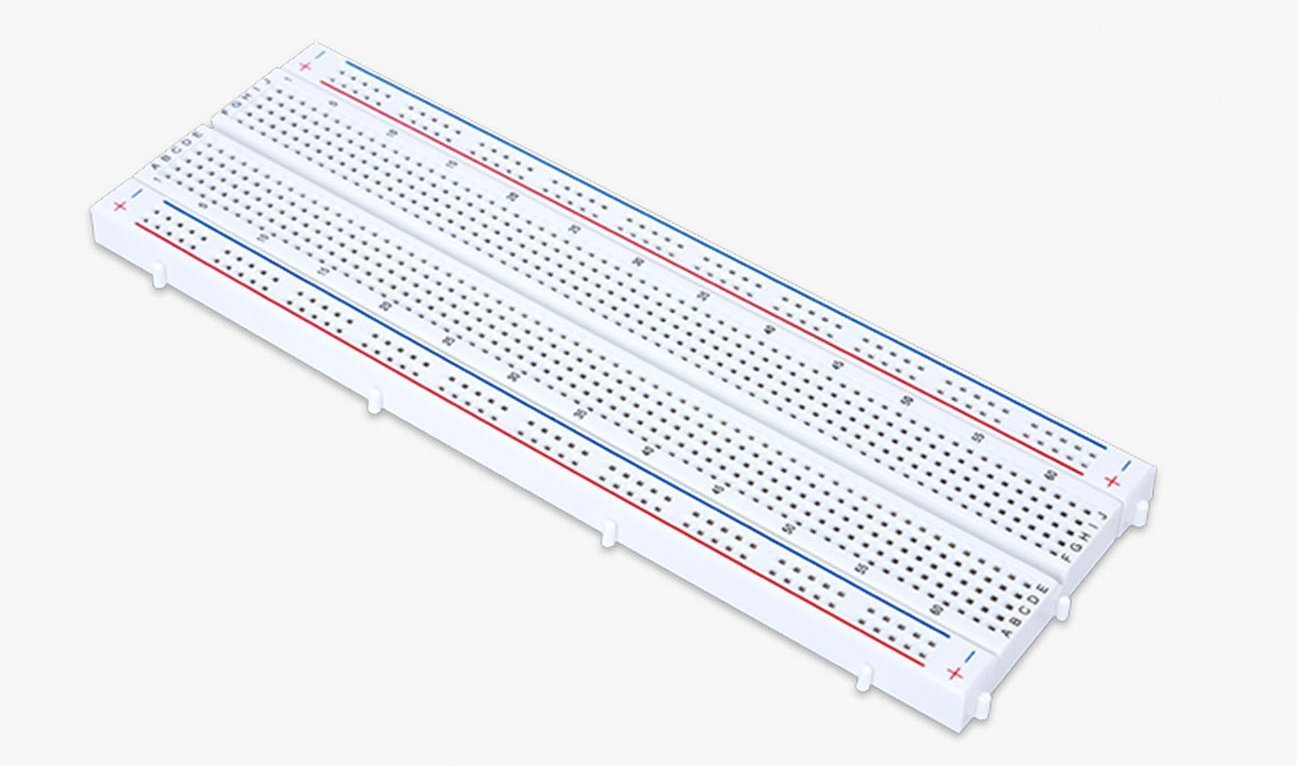
An 830-point solderless breadboard ideal for prototyping, testing and developing electronic circuits.
The breadboard provides plenty of connection points for a wide range of electronic projects without the need for soldering.
Its 2.54mm standard pitch makes it suitable for use with many common electronic components, jumper wires and DIP integrated circuits.
- Product: 830 Point Solderless Breadboard
- Breadboard Type: Solderless Prototype Board
- Total Tie Points: 830
- Socket Pitch: 2.54mm / 0.1 inch
- Board Material: White ABS Plastic with Black Legend
- Internal Contacts: Phosphor Bronze Finish
- Contact Type: Double Leaf Copper Spring
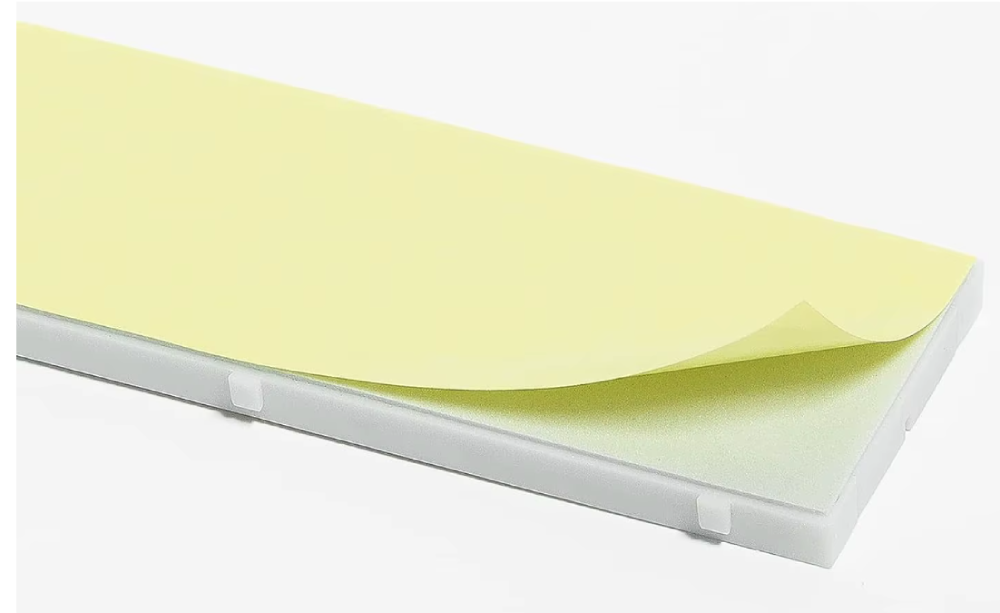
- Base: Self-Adhesive
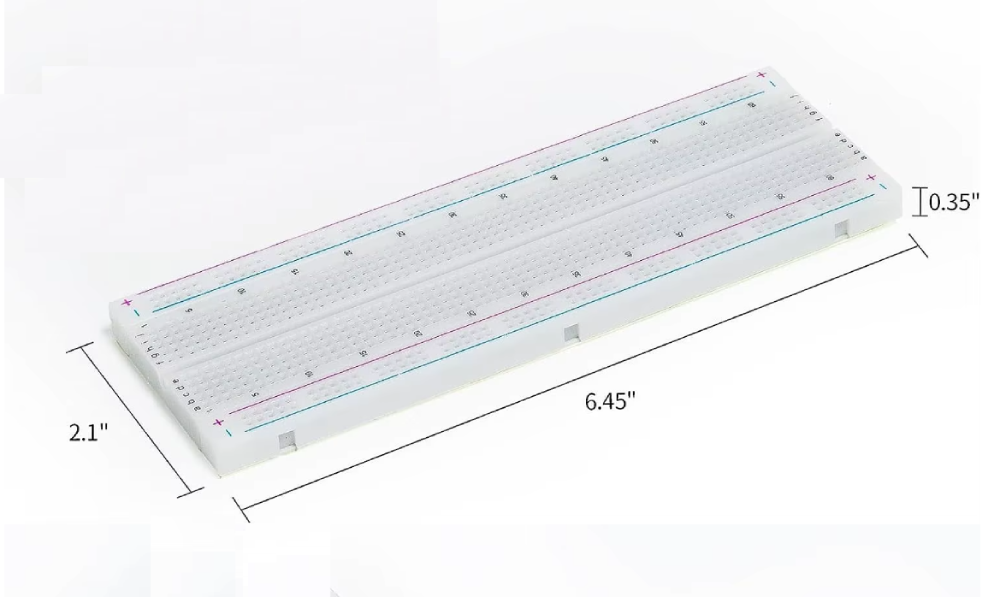
- Dimensions: Approx. 164 × 52 × 9mm
- Power Input: 6.5–12V DC or USB Power Supply
- Maximum Output Current: Less than 700mA
- Power Rails: Two independent rails
- Extension Clips: Yes – compatible boards can be connected together
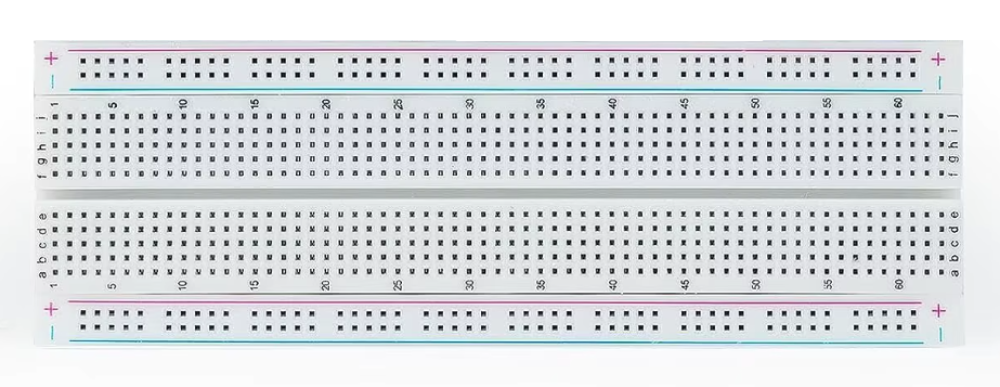
Breadboard Connection Layout
- 200 tie points across the two power rails
- 630 tie points in the 30 × 10 matrix
- Total of 830 connection points
Key Features
- 830-point solderless breadboard for electronic prototyping
- No soldering required
- Standard 2.54mm / 0.1-inch component spacing
- Two independent power rails
- Durable ABS board with metal spring contacts
- Self-adhesive base for secure mounting
- Extension clips allow connection to compatible breadboards
- Compact size for easy storage and transport
What’s Included
- 1 × 830 Point Solderless Breadboard
Great For
- Arduino and microcontroller projects
- Electronics prototyping and circuit development
- Testing and debugging electronic circuits
- DIY electronics and educational projects
- Integrated circuit and component testing
- Electronics hobbyists, students and makers
Usage Tips
- Check the power supply module’s input requirements before connecting.
- Ensure the selected output voltage is suitable for your components.
- Observe correct polarity when connecting power.
- Avoid exceeding the stated output current limit.
- Confirm the breadboard connections before applying power.
- Disconnect the supply before changing circuit wiring.
A versatile breadboard and power module combination for building, testing and experimenting with electronic circuits.